Choosing a Day Trip from Eixample, Barcelona
A full day out of Barcelona works best when the trip suits your pace, your interests and the way you like to travel. Eixample is a practical base for planning, with strong city connections and many nearby options to compare. The right choice is less about the longest itinerary and more about a day that feels smooth from the first meeting point to the last stop.
Start by deciding what kind of day you want. A full day can mean a relaxed look at one place, a route through several towns, or a themed outing built around food, architecture, history or scenery. Write down the two or three things you would be disappointed to miss. That small shortlist makes later choices much easier, because every option can be judged against the same priorities.
Set your priorities before comparing options
Think about the balance between travel time and time on site. A longer route may look impressive on paper, yet it can leave little room to sit down, wander or take photographs. A shorter route may feel calmer and give you more time in the places that matter to you. For a day beginning in Eixample, also consider how quickly you can reach the departure area and whether the return is likely to be late.
Group travel and private travel feel different. A group can be good value and simple to arrange, but it usually follows a fixed rhythm. A private arrangement gives more control over stops, pace and conversation, though it asks for more decisions up front. Neither choice is automatically better. The right fit depends on whether you enjoy meeting other travellers or prefer a quieter day shaped around your own plans.
Make a note of mobility needs as well. Cobblestone streets, staircases, long walks and uneven pavements can change how comfortable a day feels. If anyone in the group needs fewer steps or more rests, raise that before choosing. It is better to trim one stop than to spend the day trying to keep up with a route that does not suit the group.
Read the route with a critical eye
When you compare itineraries, look for named stops, arrival order and free time. A clear plan tells you where you will go and what kind of time you will have there. Vague wording can hide a rushed day. If a route lists many places but few details about time on site, treat that as a reason to ask questions rather than a sign of richness.

Meals are another point to check. Some days include a lunch stop, some include only breaks, and some expect you to arrange food yourself. The difference matters, especially if you travel with children or have dietary needs. A stop in a busy town can be pleasant if there is enough time to eat properly. A short pause between visits may not be enough for anything more than a quick snack.
Check the language of the day too. If commentary or guiding is part of the experience, ask which languages are used and whether the same route runs with mixed language groups. A good plan can feel flat if the explanation is hard to follow. On the other hand, a self-paced day may suit people who prefer maps, notes and freedom over a set talk.
One local option is Girona Full Day Tour. Use it as one point of comparison alongside other local choices, then judge each option by route, timing, group size and clarity of meeting details.
Compare what is included and what is not
Inclusions are where two similar looking days can differ sharply. Transport, guiding, entry tickets, meals and hotel pickup may or may not be part of the arrangement. Read each line carefully and separate what is promised from what is merely suggested. A day that seems affordable at first can become less appealing once every extra is added.
Ask about entry arrangements for popular sites. Some places use timed admission, and a route may need to be adjusted if a certain time slot is unavailable. If tickets are handled by the organiser, confirm what happens if a site closes or changes access. If you arrange them yourself, check that the timings fit the route rather than assuming they will line up.
Transport details deserve the same attention. A coach, a small van and a car create very different days. Seat space, luggage room, air conditioning and boarding points can all affect comfort. For a start in Eixample, check whether the meeting point is easy to reach from Carrer d'Alí Bei or another nearby street, and whether the return ends somewhere convenient. Confirm such practical points with whichever business you choose, since they can change between arrangements.
Payment terms and cancellation rules also shape the decision. Look at when payment is due, what happens if plans change and whether the day can be altered after booking. Clear rules are useful because they set expectations on both sides. If a term is unclear, ask before committing rather than relying on a guess.
For broader comparison, privatetourinbarcelona.com can be useful as a reference point while you look at routes and inclusions. Keep the final decision tied to your own priorities, not to the most persuasive description.
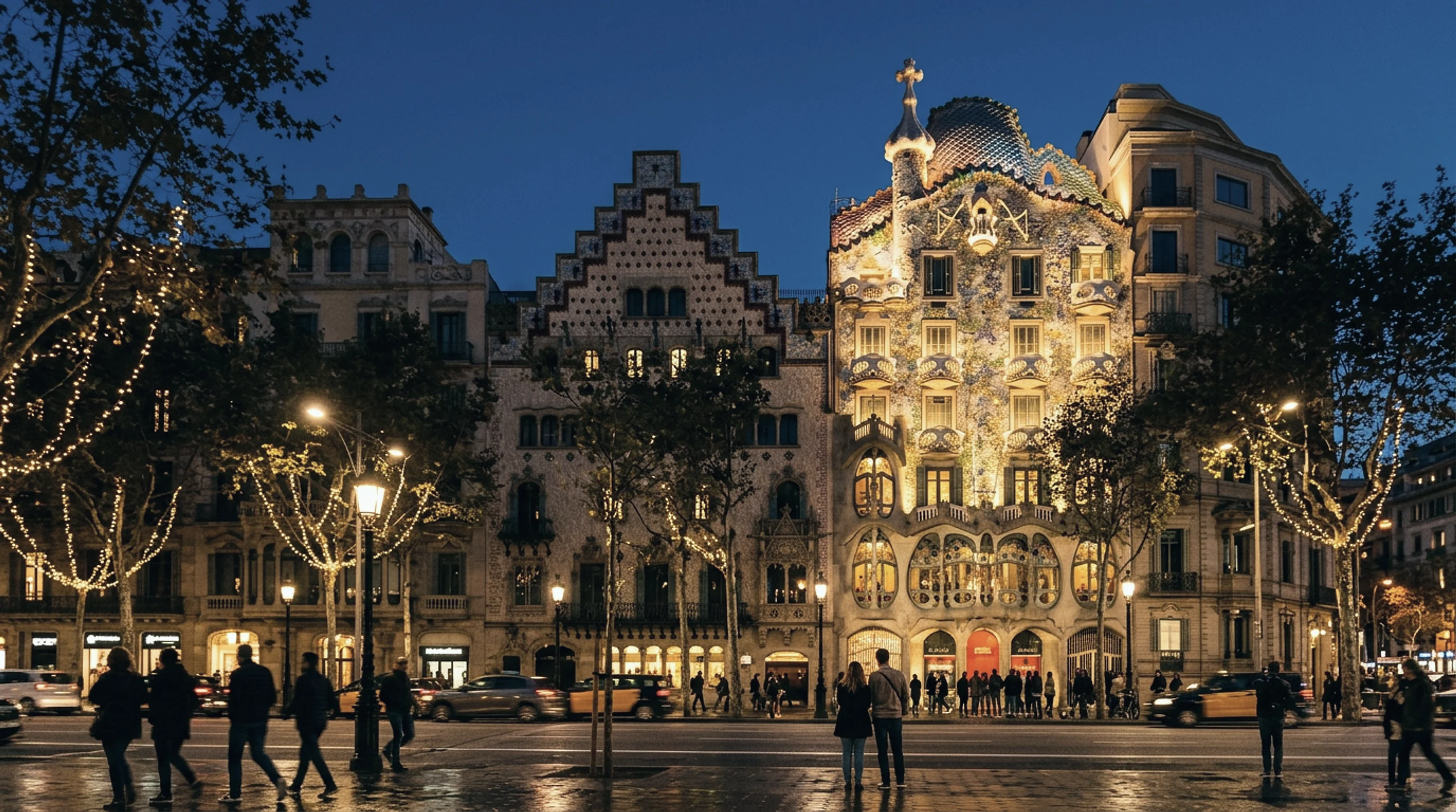
Check timing, meeting points and pace
A full day feels different depending on when it begins. An early start may give you quieter streets and more daylight, but it can be tiring if you are still adjusting to the city. A later start may be easier, yet it can compress the route. Compare the start time with your accommodation, breakfast plans and any evening arrangements you already have.
Meeting details should be specific enough to follow without stress. Look for a street, a nearby landmark and a clear description of where to wait. If the meeting point is some distance from your base, leave a sensible margin. Eixample has good links, but traffic and busy crossings can still slow a short journey. A calm start is worth more than arriving at the last minute.
Pace is harder to judge from a written plan, so read the rhythm of the day. Are there long stretches on a bus followed by a short walk? Does the plan include free time, or does it move from one stop to the next? Do guides allow questions? These details tell you whether the day is likely to feel relaxed or tightly managed. If you prefer unhurried visits, choose fewer stops and more time in each one.
Weather can change the value of an itinerary. Outdoor viewpoints, markets and old streets are pleasant in mild conditions but less appealing in heavy rain or strong heat. If the season is uncertain, look for a plan with indoor alternatives or enough flexibility to adjust. Ask how changes are handled rather than assuming every route can be rearranged on the spot.
Ask focused questions before you commit
A few direct questions can prevent most disappointments. Keep them practical and specific. The answers should help you compare like with like, not push you toward a quick decision.
- What is the exact route, and how much time is spent at each stop?
- What is included in the price, and what costs extra?
- How many people usually take part, and is the pace set by the group?
- Where exactly does the day begin and end?
- What happens if weather, closures or transport delays affect the plan?
Notice how questions are answered. A clear reply with useful detail is a good sign. A vague answer may mean the plan is still flexible, or it may mean the details have not been thought through. Either way, you need enough certainty to decide whether the day fits your plans. Avoid relying on general reassurance when a simple factual answer would help.
It also helps to compare two or three options in the same terms. Put the route, start time, inclusions, group size and meeting point side by side. When the basics are laid out plainly, the differences become easier to see. This is especially useful when one option has a slightly lower price but fewer included items, or when another promises more stops but leaves little free time.
Read recent comments with care. Look for repeated points about punctuality, comfort, communication and the way the route was handled. A single opinion rarely tells the whole story, while a pattern can reveal what a day is really like. Treat praise and criticism as clues, then check whether the same issue would matter to you.
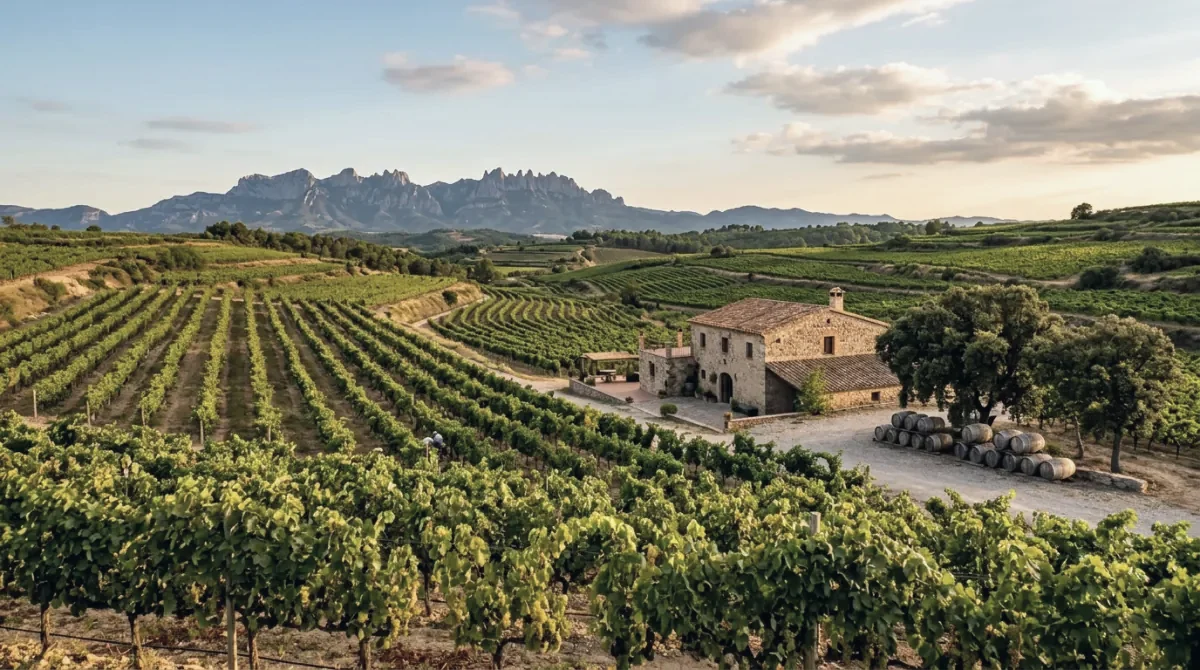
Make the final choice with a clear head
privatetourinbarcelona.com may appear while you are collecting ideas, but the decision should rest on fit. Choose the day that matches your interests, leaves enough room for breaks and starts from a point you can reach calmly. If something feels uncertain, ask once more or pick a clearer option. A good full day out is not the one with the grandest list of stops. It is the one that lets you enjoy the place rather than spend the hours managing the plan.
Once the choice is made, keep the key details together: start time, meeting point, what to bring, what is included and what happens if plans change. Share those details with everyone travelling. On the morning itself, leave extra time to get to the starting point and keep a small amount of water and a flexible attitude. From Eixample, a well chosen day can add a memorable layer to a Barcelona stay without turning the whole trip into a rush.
Girona Full Day Tour, Carrer d'Alí Bei, 80, Eixample, 08018 Barcelona, Spain, +34 632 93 79 41.